
Buying a mattress sounds like one of those decisions that should take five minutes. You know the size of your bed, you know roughly what you want to spend, and you walk into a store expecting to choose a mattress and leave. Then the questions begin. Foam or spring? Firm or soft? What size will actually work in the room? Does the heat in Nigeria change what you should buy?
The truth is that a mattress is not simply another item of furniture. You will probably spend thousands of hours on it, and the way it feels can affect how easily you settle down, how comfortable you are through the night, and how you feel when you wake up. That makes the buying decision a little more thought than simply choosing the cheapest option or copying what worked for someone else.
This mattress buying guide for Nigeria is designed to help you make that decision with more confidence. Instead of telling you that one mattress is universally the best, we will look at what actually matters: construction, firmness, sleeping position, size, climate, budget, room access, maintenance, and the condition of the mattress you already own.
Start With What You Actually Need from a Mattress
Before comparing brands, start with yourself. How do you normally sleep? Do you spend most of the night on your side or stomach? Do you move around a lot? Do you sleep alone or share the bed? Do you prefer a surface that feels firm and stable, or one that gives you more cushioning?
These questions matter because comfort is personal. A mattress that feels wonderfully soft to one person may feel uncomfortable to another. Firmness and support are also not exactly the same thing. Firmness describes how hard or soft the surface feels, while support is about how well the mattress keeps your body from sinking unevenly. A mattress can therefore feel relatively soft while still being supportive, depending on its construction.
When Is It Time to Replace Your Mattress?
There is no single replacement date that applies to every mattress. Construction, material quality, usage, body weight, sleeping habits, and care all influence how long a mattress remains comfortable and supportive. A broad seven-to-ten-year range is often used as a general guide, but condition matters more than a calendar date alone.
Look at what your mattress is telling you. Has it developed a noticeable dip? Does it feel very different from when you bought it? Are you regularly waking up uncomfortable or stiff? Are you sleeping better elsewhere? If the answer to several of these questions is yes, it may be time to start comparing replacements rather than assuming you simply need to get used to the mattress.
Care matters too. A suitable mattress protector, a proper base, and following the manufacturer's care instructions can help you get the best possible service from your mattress. Some mattresses can be rotated, while others should not be flipped, so always follow the instructions for your specific model.
Understand the Main Mattress Types
The foam-versus-spring conversation has lasted for years because both constructions can work well. The better question is which construction gives you the kind of sleep experience you prefer.
Foam mattresses use foam as a major part of their construction. Depending on the materials and design, foam can create a more cushioning or conforming feel and can reduce the amount of movement transferred across the bed. Spring mattresses use coils as part of their support system and tend to feel more responsive, with more bounce and airflow through the coil structure. Neither category automatically wins; construction, quality, and individual design matter.
You may also encounter hybrid mattresses, which combine different materials. Vitafoam's current Restora, for example, is described on its official product page as a hybrid foam/pocket-spring quilted pillow-top mattress that is compressed into a compact box for transportation.
The important lesson is simple: do not choose a mattress type because you have heard that it is better. Choose based on how the construction matches your sleeping habits, comfort preferences and environment.
Firm Does Not Automatically Mean Better
One of the most persistent mattress myths is that a very firm mattress must be the healthiest or most supportive choice. It is not that simple. Firmness is personal, and body weight and sleeping position can change how the same mattress feels.
Side sleepers often appreciate more cushioning around the shoulders and hips. Back sleepers generally need a balance between cushioning and support, while many stomach sleepers prefer a firmer surface that reduces excessive sinking. Combination sleepers may want something in the middle that works across several positions. These are starting points, not rules carved in stone.
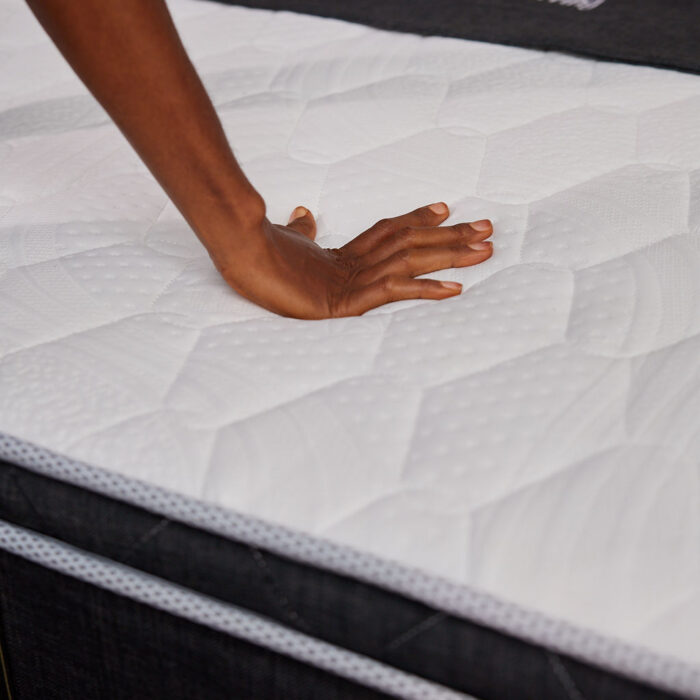
If you are shopping in person, lie down in the position in which you normally sleep. Do not judge a mattress only by pressing it with your hand or sitting on the edge for ten seconds. Give your body enough time to notice how the surface actually feels.
Choose the Right Size for Your Room and Lifestyle
Mattress size is not only about whether you can fit on the bed. Think about how much room you need to move around, whether you share the bed, the dimensions of your existing frame and the size of the bedroom.
If you are moving into a new apartment, measure before you buy. Measure the room, the bed frame, doorways, corridors, staircases and any tight turns. This is especially important in apartments where a mattress may have to pass through a narrow staircase or lift. A mattress that fits perfectly on your bed but cannot comfortably get through the building is a surprisingly expensive lesson.
If you are replacing an existing mattress, confirm the exact dimensions rather than relying on the informal name of the size. Manufacturers can have different specifications, and custom-size options may also be available for particular products.
Nigeria's Climate Should Be Part of the Conversation
Sleeping in Nigeria can mean dealing with warm nights, changing humidity, and rooms where ventilation is not always ideal. Your mattress is not the only factor that determines whether you sleep hot, but it is worth considering construction and materials alongside bedding, room ventilation, and your own temperature preferences.
A mattress that feels comfortable in a well-ventilated room may feel different when the room is hot and the bedding is heavy. If you tend to sleep warm, consider the overall sleep environment rather than looking for a mattress label that promises to solve everything. Lighter bedding, better airflow, and sensible room ventilation can matter just as much.
This is one reason there is no single best mattress for Nigeria. Different homes, cities, rooms and sleepers have different conditions.
Think About Value, Not Just Price
A mattress is one of those purchases where the cheapest option is not necessarily the most economical. If a low-priced mattress stops feeling comfortable much sooner than expected, the apparent saving may disappear when you have to replace it.
At the same time, a higher price does not automatically mean a better mattress for you. Compare construction, materials, dimensions, comfort, support, durability expectations, applicable warranty or after-sales terms, and the reputation of the manufacturer and seller. The goal is not to spend the most money. It is to spend appropriately for the quality and experience you need.
If your budget is limited, be honest about it. A sensible mattress purchase that fits your present circumstances is better than stretching yourself financially because you believe you have to buy the most premium option available.
Common Mattress-Buying Mistakes to Avoid
One common mistake is buying solely because someone else loved the mattress. Their sleeping position, body type, room temperature and preferences may be completely different from yours.
Another is focusing only on softness or firmness without considering support and construction. Some buyers also forget to measure their room and access route, ignore the importance of the bed base, or fail to ask how the mattress should be maintained.
Buying from an unverified seller can create another problem. When purchasing a branded mattress, check the manufacturer's approved channels and product information rather than assuming every listing carrying a familiar name is genuine. Vitafoam's official FAQ directs customers toward its dealers and Comfort Centres for genuine products.
Finally, do not let a salesperson rush you into a decision you are not comfortable making. A mattress is a long-term purchase, so questions are part of the process.
How to Take Care of Your Mattress
A good mattress still needs sensible care. Use a suitable mattress protector, keep the sleeping surface clean and dry, and follow the manufacturer's instructions for rotating, flipping or cleaning the mattress. Not every mattress should be flipped, and some should only be rotated in a particular way.
Pay attention to the bed base as well. A mattress needs an appropriate foundation; an unsuitable or damaged base can affect how the mattress performs. Keep the room reasonably ventilated and avoid treating the mattress as a storage surface.
Good maintenance will not make a mattress last forever, but it can help you get the best value from the construction you paid for.
A Simple Mattress-Buying Checklist
Before you pay, ask yourself: Does this mattress suit my usual sleeping position? Do I like the firmness? Is the size correct for my room and bed frame? Can it get into my home? Does the construction make sense for how I sleep? Have I considered Nigeria's climate and my own temperature preferences? Does the price fit my budget without creating unnecessary financial pressure? Have I checked the seller and manufacturer information? Do I understand the care instructions and applicable warranty or after-sales terms?
If you can answer those questions clearly, you are already in a much better position than someone buying simply because a mattress looks nice in a showroom.
Frequently Asked Questions
How often should I replace my mattress?
There is no universal deadline. Many mattresses fall within a broad seven-to-ten-year range, but condition, construction, quality and usage matter. Replace it sooner if it has significant sagging, deterioration or is no longer comfortable.
Is a firm mattress better?
Not automatically. Firmness is personal and should be considered alongside sleeping position, body weight, construction and support.
Is foam better than spring?
Neither is universally better. Foam can offer more contouring and motion isolation, while spring construction tends to feel more responsive and allows more airflow.
What should I consider when buying a mattress in Nigeria? Start with comfort, support, construction, firmness, size, sleeping position, climate, budget, room access, seller authenticity and care requirements.
Where should I buy a genuine Vitafoam mattress?
Use Vitafoam's official website, accredited distributors, Comfort Centres to verify genuine products and current product information.
Final Thoughts
The best mattress is not necessarily the softest, firmest, newest or most expensive one. It is the one that makes sense for the person sleeping on it.
Take your time. Know your budget. Understand how you sleep. Think about your room, your climate and your access route. Compare construction rather than relying on labels and ask questions before you pay. Once you approach the decision that way, buying a mattress becomes much less confusing and much more practical.
Visit Vitafoam website and buy with confidence.